
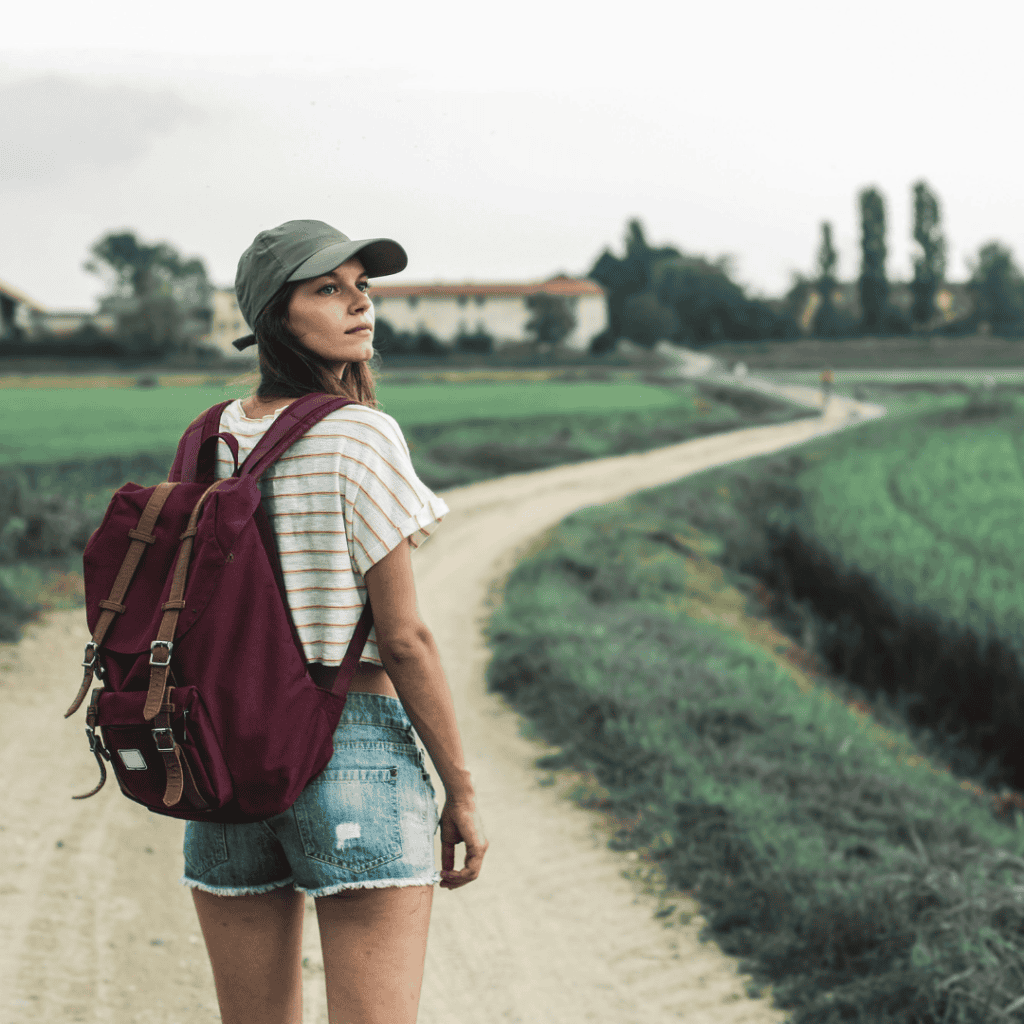
Traveling solo often challenges a person in unexpected ways, pushing them beyond comfort zones. It teaches self-reliance, problem-solving, and the ability to adapt quickly to new environments.
The most important lesson learned from solo travel is how to find confidence and independence through navigating the unknown alone. This experience helps build inner strength and a clearer sense of personal priorities.
Along the way, solo travelers also discover the value of patience and open-mindedness. Meeting new people and facing unfamiliar situations encourages growth that cannot be replicated in familiar surroundings.
Fundamental Life Lessons From Traveling Solo
Traveling alone offers clear and practical experiences that shape how a person handles everyday challenges. Solo travel challenges travelers to rely on themselves while giving full control over choices and personal experiences.
Building Self-Confidence and Independence
Traveling solo boosts confidence by pushing individuals to handle situations alone. A solo traveler learns to navigate unfamiliar places, book accommodations, and communicate in new environments without assistance. This process builds a strong sense of self-reliance.
Every solved problem, whether small like ordering food or bigger like finding transportation, reinforces independence. Confidence grows as travelers prove to themselves they can manage alone and face unexpected challenges without external help. Over time, the reliance on outside support diminishes, making this one of the strongest personal development outcomes of solo adventure.
Embracing Freedom and Making Personal Choices
Without companions, solo travelers enjoy full control over daily plans and destinations. This freedom allows choices based entirely on personal interests, moods, and goals. The ability to adapt plans spontaneously becomes a valuable skill in life.
Solo travel removes compromises, providing a unique space for personal exploration and growth. Travel alone experiences emphasize that freedom is not just physical but mental—deciding what suits one best without outside influence. This enhances a traveler’s understanding of personal desires and priorities.
Stepping Outside Your Comfort Zone
Solo trips push travelers beyond familiar routines. They face unfamiliar cultures, languages, and situations that force adaptability and resilience. This discomfort is essential for personal growth.
Each experience outside typical comfort zones teaches risk management and problem-solving. Encountering challenges alone helps a solo traveler develop grit and courage. It also reveals unexpected strengths and abilities that boost one’s confidence for future solo travel or life challenges.
Trusting Yourself and Making Decisions Alone
Traveling alone demands trust in one’s judgment during all stages—from planning to unexpected changes on the trip. This consistent practice sharpens decision-making skills and the ability to evaluate risks clearly.
Solo travelers learn to listen to their own instincts rather than rely on others’ opinions. This self-trust is crucial for independence and long-term confidence, reinforcing that they are capable and resourceful in any environment or situation. The skill of trusting oneself becomes a core part of personal development through solo travel adventures.
Personal Growth and Self-Discovery
Traveling alone provides unique opportunities to face challenges and reflect deeply. This can lead to clearer self-awareness, increased resilience, and greater comfort with uncertainty.
Developing Self-Awareness Through Solitude
Solo travel often involves long periods of quiet moments and reflection. These moments encourage embracing solitude and examining one’s thoughts and feelings without outside influence.
This process helps build self-awareness by revealing true preferences, values, and reactions. It allows travelers to identify what brings joy or discomfort, improving decision-making during their journey.
The absence of companions means relying on oneself for social interaction and emotional support. This encourages honest self-assessment and deepens an understanding of personal boundaries and strengths.
Resilience and Adaptability in New Environments
Traveling solo places individuals in unfamiliar settings, requiring them to solve unexpected problems. Developing resilience becomes necessary for managing delays, language barriers, or changing plans.
Adaptability grows as travelers learn to navigate new cultures, transportation, and accommodations independently. Each challenge enhances their ability to stay calm and resourceful.
Building resilience also comes from embracing small failures and learning from them. Solo travel experiences offer a safe space to test persistence and patience, which strengthens endurance for future challenges.
Learning to Overcome Fear and Embrace Uncertainty
Fear of the unknown is common in solo travel, but confronting this fear promotes growth. Travelers must often step out of their comfort zone, facing risks like getting lost or interacting with strangers.
By accepting uncertainty, travelers cultivate confidence in handling unpredictable events. This attitude shift allows them to welcome new experiences instead of avoiding them.
Each solo travel journey contributes to reducing anxiety about the unknown, replacing it with curiosity and openness. This ultimately leads to greater freedom in both travel and everyday life.
Meaningful Connections and Broader Perspectives
Traveling solo encourages deep engagement with unfamiliar environments. It opens opportunities to learn from diverse people, expanding understanding through direct interactions and relationships. These experiences shape a traveler’s view of the world and enhance their appreciation for cultural differences.
Interacting With Different Cultures
Solo travelers often experience culture firsthand, beyond tourist attractions. They engage in local customs and daily routines, which reveal authentic ways of life. This interaction sharpens awareness of social norms, languages, and traditions.
Encountering these differences challenges preconceived notions. For example, participating in regional festivals or trying unfamiliar foods cultivates respect. This openness enriches the travel journey, fostering personal growth rooted in real-world experiences rather than stereotypes.
Building Relationships and Making Friends
Travelers on their own tend to be more approachable, which leads to meaningful connections. Whether chatting with hostel roommates, local shopkeepers, or fellow travelers, solo adventures create natural chances to form friendships. These relationships often differ from those made in group travel because they require more initiative.
Some connections develop into lasting friendships. This occurs as people share stories, advice, and support while navigating unfamiliar places. Such bonds enhance the sense of happiness and belonging, reducing loneliness during solo travel.
Cultivating Empathy and Openness
Direct contact with diverse individuals cultivates empathy. Seeing life from others’ perspectives helps solo travelers understand challenges and values outside their own experience. This ability to appreciate difference strengthens emotional intelligence.
Openness to new ideas and customs grows the longer one stays engaged in different cultures. Travelers learn to adapt and embrace uncertainty. This mindset encourages living in the moment, making solo travel a unique exercise in patience and understanding.
Living With Flexibility and Gratitude
Traveling solo teaches the importance of adapting to unexpected situations and appreciating each moment. It encourages valuing experiences instead of material things and finding contentment in the present. These lessons help develop a mindset focused on flexibility and gratitude.
Adapting to Change and Becoming Flexible
Solo travelers often face sudden changes in plans, such as missed transportation or altered accommodations. They learn to adjust quickly without frustration, recognizing that flexibility is essential for a smooth journey.
This adaptability extends to daily decisions, like shifting routes or trying unfamiliar foods. Embracing change rather than resisting it reduces stress and enhances the solo travel experience. It also builds problem-solving skills that benefit life beyond traveling.
By staying open to new situations, travelers increase their ability to handle uncertainty. Flexibility becomes a tool for managing challenges and turning potential setbacks into opportunities.
Valuing Experiences Over Possessions
Solo travel highlights that carrying fewer belongings allows for more freedom. Travelers often discover that memories and connections matter far more than material goods.
They prioritize experiences, such as meeting locals or exploring new cultures, over owning items. This shift fosters gratitude for moments that enrich life rather than for possessions that can clutter it.
Travelers also learn to trust themselves without relying on physical comforts. This mindset reduces attachment to things and provides a clearer sense of what truly brings satisfaction and joy.
Finding Happiness in the Present Moment
Being alone in new environments encourages awareness of the now. Solo travelers practice living fully in each moment, whether sitting at a street cafe or hiking a trail.
This presence fosters genuine happiness independent of external conditions. By focusing on the current surroundings and sensations, travelers avoid dwelling on worries or future uncertainties.
Gratitude grows naturally when paying close attention to small details like sounds, sights, or simple kindnesses encountered daily. This ability to find joy in the present is a valuable part of the solo travel experience.