
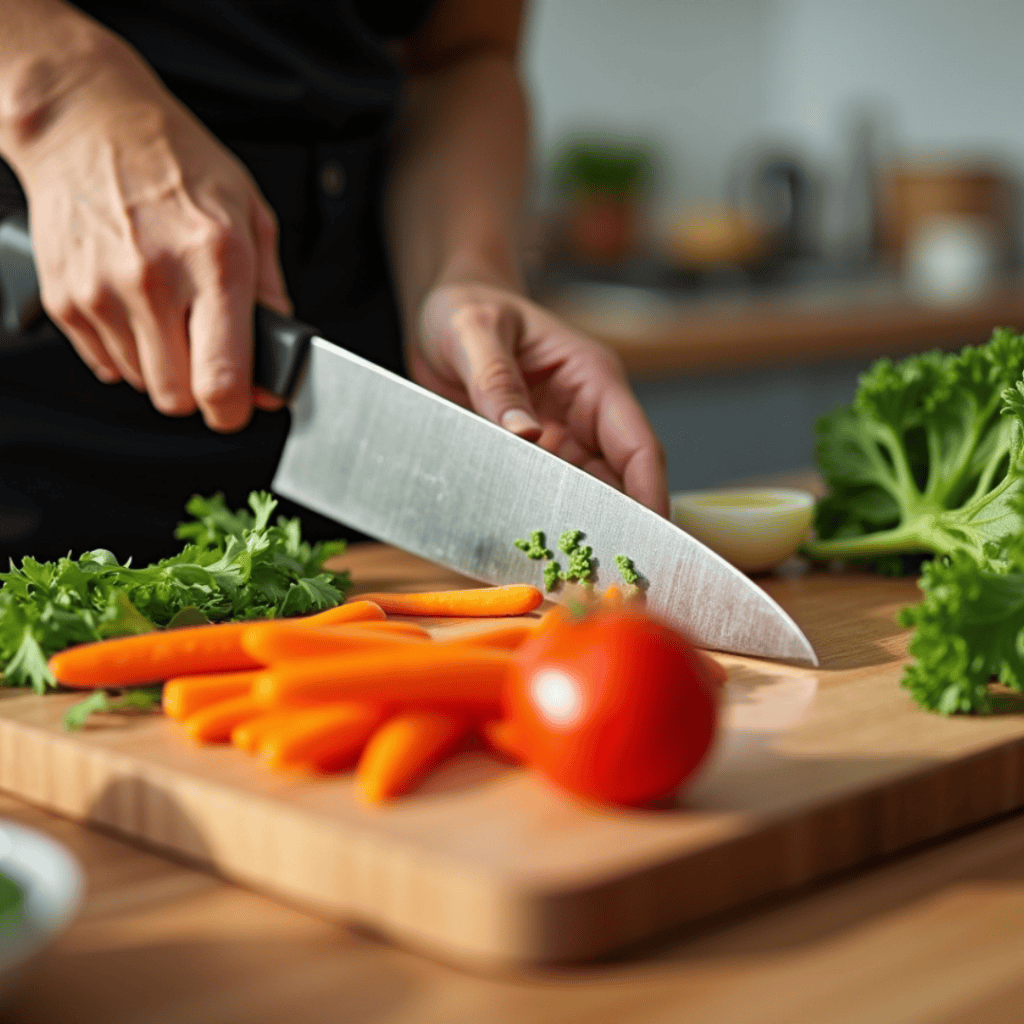
Meal prepping doesn’t have to be overwhelming or time-consuming. By planning simple recipes, using efficient shopping lists, and setting aside a dedicated time, anyone can make meal prep manageable and even enjoyable. The key to stress-free meal prep is preparation and organization upfront, allowing for smooth execution throughout the week.
Many people avoid meal prepping because they think it requires complex recipes or a lot of time. Breaking the process into small, practical steps reduces pressure and makes consistent meal prep achievable. This approach helps maintain a balanced diet without last-minute decisions or unhealthy takeout.
With the right mindset and tools, meal prep can save time, reduce food waste, and support healthier eating habits. Learning to streamline the process will turn meal prepping from a chore into a regular part of a simple routine.
Understanding Stress-Free Meal Prepping
Stress-free meal prepping focuses on minimizing obstacles, maximizing time, and creating simple routines. It involves recognizing common difficulties and applying practical strategies to ease meal planning and cooking. The benefits extend beyond saving time to include improved nutrition and reduced daily decisions.
Common Meal Prep Challenges and Solutions
Many struggle with meal prepping due to a lack of time, overcomplicated recipes, or unclear planning. To address time constraints, batching tasks like chopping vegetables or cooking grains upfront helps reduce daily effort.
Recipe complexity can be lowered by choosing simple, versatile ingredients that work in multiple dishes. Avoid tightly scheduled plans. Instead, allow flexibility with meals that can be swapped or combined easily.
Storing food properly prevents waste. Using clear containers and labeling meals by day improves organization. Taking small steps over several days is another tactic to avoid burnout during meal prep.
Benefits of Simplified Meal Planning
Simplified meal planning reduces mental load by focusing on a few core meals that repeat with small variations. This approach lessens decision fatigue while still maintaining variety with different seasonings or sides.
It also helps manage grocery shopping more efficiently. Buying staple ingredients in bulk and planning meals around them cuts costs and trips to the store.
Simple plans enhance nutritional balance. By prioritizing lean proteins, vegetables, and whole grains, meal prep supports consistent healthy eating habits without complicated calorie counting or special diets.
Why Meal Prep Reduces Mealtime Stress
Meal prepping eliminates the need for daily cooking decisions and last-minute meal choices. Having ready meals available speeds up mealtime and reduces pressure after busy days.
It improves portion control by pre-measuring food, which can prevent overeating. Meal prep also reduces reliance on fast food and unhealthy snacks, as nutritious options are readily accessible.
Knowing meals are prepared in advance helps manage energy levels and time better. This predictability allows people to focus on other tasks without mealtime disruptions.
Essential Strategies for Meal Prep Without the Stress
Meal prep becomes manageable by focusing on practical approaches that balance effort and results. Clear goals, simple recipes, and efficient cooking methods reduce time and make meal prep sustainable.
Setting Realistic Goals and Expectations
Setting achievable meal prep goals puts less pressure on the process. Instead of aiming to prepare every meal perfectly for the week, preparing just a few lunches or dinners can build consistency.
Start small with what fits into the current schedule and energy levels. Prioritize meals that will be eaten multiple times to reduce cooking frequency. Planning for 3-5 meals max allows flexibility and prevents burnout.
Tracking time spent on meal prep also clarifies the effort needed. If 2 hours feels excessive, cutting back to 1 hour with simpler recipes is better. Goals should reflect lifestyle demands, not ideal outcomes.
Choosing Easy and Familiar Recipes
Selecting recipes that are simple and already well-known helps minimize mistakes and cooking time. Familiarity with ingredients and steps streamlines the process, reducing decision fatigue.
Recipes with 5-7 ingredients and clear instructions work best. Choose dishes that cook quickly or use one-pot methods to further simplify. Avoid complicated techniques or hard-to-find components.
Keeping a rotating selection of 3-4 reliable recipes prevents boredom while staying efficient. Recipes like roasted chicken, stir-fried vegetables, or pasta with sauce can be prepped in under an hour and provide variety without complexity.
Batch Cooking Versatile Ingredients
Batch cooking staple ingredients like grains, proteins, and vegetables allows for multiple meal options. Preparing large quantities at once saves time and increases flexibility during the week.
Cook items such as rice, quinoa, grilled chicken, or roasted sweet potatoes in bulk. Store portions separately in the fridge or freezer. Mix and match these with sauces or fresh produce for different meals.
Batch cooking reduces daily cooking tasks and supports quick assembly. Having a variety of base ingredients on hand encourages balanced meals without extra effort each day.
Smart Planning and Kitchen Organization
Efficient meal prepping relies heavily on careful preparation and smart organization. Taking control of shopping, storage, and tools reduces stress and saves time. Key factors include purposeful shopping lists, an orderly kitchen, and choosing containers that maintain food quality.
Streamlining Your Shopping List
Creating a precise shopping list is essential for stress-free meal prepping. Start by planning meals for the week, focusing on recipes that share common ingredients to minimize waste.
Group items by category—produce, proteins, grains, dairy, and spices—to speed up shopping trips. Include quantities needed for each ingredient to avoid overbuying, which can lead to spoilage and clutter.
Using digital apps or printed templates can help maintain consistency. Review pantry stock before shopping to prevent duplicate purchases. A well-structured list reduces decision fatigue and keeps shopping organized and quick.
Organizing Your Pantry and Fridge
A logically arranged pantry and fridge support efficient meal prepping by making ingredients easy to find and access. Use clear containers and labels for dry goods such as rice, pasta, and spices to keep visibility high and prevent expiration.
Arrange items by frequency of use—daily essentials in front or at eye level. Store raw proteins separately, ideally on the lowest fridge shelf, to avoid cross-contamination.
Group similar items together, like snacks in one section and condiments in another. Regularly check for expired items and rotate stock, using the “first in, first out” method to reduce waste and maintain freshness.
Selecting the Right Containers
Choosing appropriate containers is crucial for meal prepping success. Opt for airtight, leak-proof containers made of BPA-free plastic, glass, or stainless steel to maintain food freshness and prevent spills.
Select containers in various sizes: large for mains, small for snacks or dressings. Transparent containers allow quick identification without opening lids, saving time.
Stackable designs maximize fridge and freezer space, and containers safe for microwave, dishwasher, and freezer add convenience. Investing in a uniform set makes storage and transport easier during meal prepping.
Time-Saving Meal Prep Hacks and Recipe Ideas
Efficient meal prep relies on simple, fast techniques and versatile ingredients. Using ready-to-eat options and recipes tailored to varied diets can significantly cut down on cooking time without sacrificing nutrition.
Five-Minute and No-Cook Meal Prep Options
No-cook meals eliminate stovetop or oven time, speeding up meal prep. Items like overnight oats, salads with canned beans, and wraps with deli meats offer quick, balanced options.
Pre-chopping vegetables and portioning nuts or seeds into small containers creates grab-and-go snacks. Combining pre-washed greens with canned tuna, avocado, and vinaigrette provides an easy, nutrient-dense meal within minutes.
Overnight chia puddings with almond milk and fresh fruit are excellent for mornings. These require no active cooking but provide sustained energy, making them ideal for meal prepping beginners.
How to Use Rotisserie Chicken for Quick Meals
Rotisserie chicken is a convenient, cooked protein that saves time in meal prepping. It can be shredded or chopped for multiple meal uses throughout the week.
Incorporate rotisserie chicken into salads, grain bowls, or wraps to assemble meals rapidly. It pairs well with steamed vegetables, rice, or quinoa for balanced dinners.
Using pre-cooked chicken reduces oven or stove time, which lowers meal prep stress. Storing portions in airtight containers keeps the chicken fresh and ready to use.
Meal Prep Recipes for Every Diet
Meal prepping can accommodate diverse dietary needs. For low-carb diets, meals built around lean proteins and non-starchy vegetables work well.
Vegetarian or vegan meal prep includes batch-cooked legumes, roasted vegetables, and grains like farro or bulgur. Recipes using tofu or tempeh offer plant-based protein options.
Gluten-free meal prep focuses on natural, whole foods like rice, potatoes, and fresh produce. Including a variety of protein sources and fiber-rich carbs maintains balanced nutrition across diet types.