
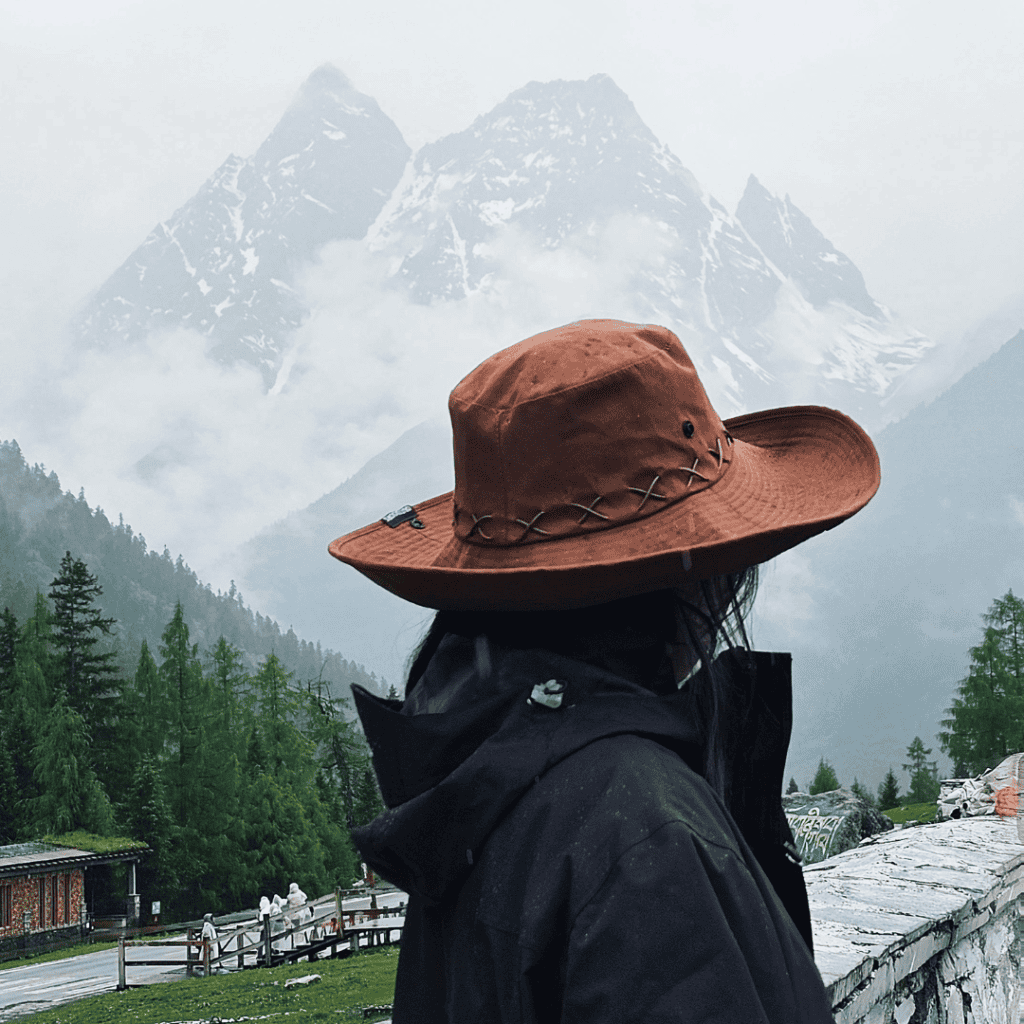
Travel challenges individuals by placing them in unfamiliar situations that require adaptability and problem-solving. Confronting these challenges often leads to increased self-awareness and resilience. Travel teaches personal growth by pushing people beyond their comfort zones and encouraging reflection on their values and capabilities.
Exposure to different cultures and ways of life broadens perspectives and fosters empathy. It helps individuals question preconceived notions and develop a more open, flexible mindset. This process can deepen emotional intelligence and improve interpersonal skills.
Experiencing new environments also encourages independence and confidence. Navigating unknown places shows that they can handle uncertainty and change. These lessons from travel translate into personal growth that benefits many areas of life.
Core Lessons From Travel for Personal Growth
Travel pushes individuals beyond habitual ways of thinking and behaving. It challenges preconceived notions, requires mental flexibility, and sharpens decision-making skills in unfamiliar environments. These experiences build a foundation for meaningful personal growth.
Gaining New Perspectives
Travel exposes people to cultures, beliefs, and lifestyles different from their own. Encountering varied viewpoints broadens understanding and reduces biases. When someone observes how others solve common problems or celebrate traditions, they can reassess their own values and assumptions.
Engaging directly with diverse environments encourages reflection on personal identity. This process often highlights contrasts and similarities among people, deepening empathy and global awareness. Suchan’s expanded perspective aids clearer judgment in future situations, both social and professional.
Developing Adaptability and Resilience
Unpredictable scenarios like delayed flights, language barriers, or sudden changes in plans test travelers’ flexibility. Learning to adjust under pressure helps strengthen resilience—the ability to recover quickly from setbacks.
By navigating these challenges, travelers improve their capacity to respond calmly and effectively. This adaptability transfers to everyday life, empowering individuals to face uncertainty or discomfort with greater confidence rather than avoidance.
Building Confidence Through Problem-Solving
Encountering unfamiliar problems during travel forces creative thinking. Whether negotiating local transportation or finding alternatives after a booking error, travelers must assess options and make timely decisions.
Repeated success in resolving issues enhances self-reliance. It fosters trust in one’s judgment and capacity to handle complexity. This boost in confidence often encourages people to take on new challenges, further supporting ongoing personal growth.
Expanding Emotional Awareness and Cultural Understanding
Travel challenges individuals to recognize and respect differences in ways of life and communication. It also encourages reflection on personal attitudes and values related to others.
Empathy and Open-Mindedness
Travel often places people in unfamiliar situations that require them to understand others’ feelings and perspectives. Encountering diverse social norms and behaviors fosters empathy by making travelers more aware of different human experiences.
Open-mindedness grows as they learn to withhold judgment and accept unfamiliar customs or opinions. This mindset reduces ethnocentrism and nurtures a more compassionate approach to interactions, helping them become better listeners and more flexible thinkers.
Learning From Local Cultures
Engaging with local cultures goes beyond sightseeing; it involves observing daily life, traditions, and communication styles. Travelers gain insight into how history, environment, and beliefs shape community values.
Direct interaction with residents, such as sharing meals or participating in customs, allows appreciation of nuances often missed in superficial visits. This learning deepens cultural awareness and encourages respect for diversity instead of stereotypes or assumptions.
Fostering Gratitude
Travel reveals both hardships and conveniences experienced by others, often increasing awareness of personal privileges. Witnessing different living conditions, routines, or challenges can highlight the small comforts sometimes taken for granted.
This realization fosters gratitude for one’s own resources, freedoms, and relationships. Practicing gratitude during travel can lead to a more positive outlook and greater satisfaction with life.
Personal Skills Developed Through Travel
Travel challenges individuals to adapt in unfamiliar situations, sharpening various personal skills. It offers a practical environment to grow in communication, self-awareness, and independence.
Enhancing Communication Skills
Travelers often encounter language barriers and cultural differences. This forces them to develop creative and clear ways of expressing themselves, such as using body language, gestures, or simplified speech.
Interacting with locals requires active listening and patience. This experience builds empathy and improves the ability to understand others’ perspectives.
Navigating group travel or solo trips hones conversational skills and confidence. Asking for directions, negotiating prices, or sharing stories strengthens verbal communication in real-life contexts.
Self-Discovery and Mindfulness
Travel exposes individuals to new environments that disrupt daily routines. This space encourages reflection on personal values, priorities, and emotions.
Being present becomes essential when adjusting to unfamiliar settings. Observing details, practicing patience, and accepting uncertainty cultivate mindfulness.
Solo travel, in particular, pushes people to confront their thoughts and feelings without distractions. It supports personal growth through sustained self-awareness and emotional regulation.
Nurturing Self-Reliance
Travelers learn to depend on themselves in unpredictable situations. Problem-solving skills are tested when managing logistics, health issues, or lost belongings.
Solo travelers especially develop independence by making decisions alone. They build confidence by managing schedules, budgets, and safety without immediate support.
Practical skills like navigation, budgeting, and time management emerge naturally. These reinforce the ability to handle challenges calmly and efficiently.
Long-Term Benefits of Travel Experiences
Travel shapes mental health and learning in lasting ways. It encourages new perspectives and helps build resilience. These effects contribute significantly to personal development over time.
Travel as a Path to Mental Health and Well-Being
Travel often reduces stress by breaking routines and exposing individuals to new environments. This change in scenery can improve mood and lower anxiety levels.
Engaging with different cultures also fosters empathy and emotional flexibility. Facing unfamiliar situations enhances problem-solving skills and confidence.
Repeated travel experiences can increase mindfulness, as people become more aware of their surroundings and emotions. This awareness supports long-term mental health by promoting relaxation and reducing negative thought patterns.
Continuous Education and Lifelong Learning
Travel offers ongoing education beyond formal settings. It exposes travelers to diverse languages, histories, and traditions, creating rich, real-world lessons.
Learning happens through observation, interaction, and reflection. For example, visiting historical sites can deepen understanding of global events and cultural evolution.
This form of informal learning supports cognitive growth and adaptability. Travelers often develop critical thinking and open-mindedness by comparing their experiences with prior knowledge.