
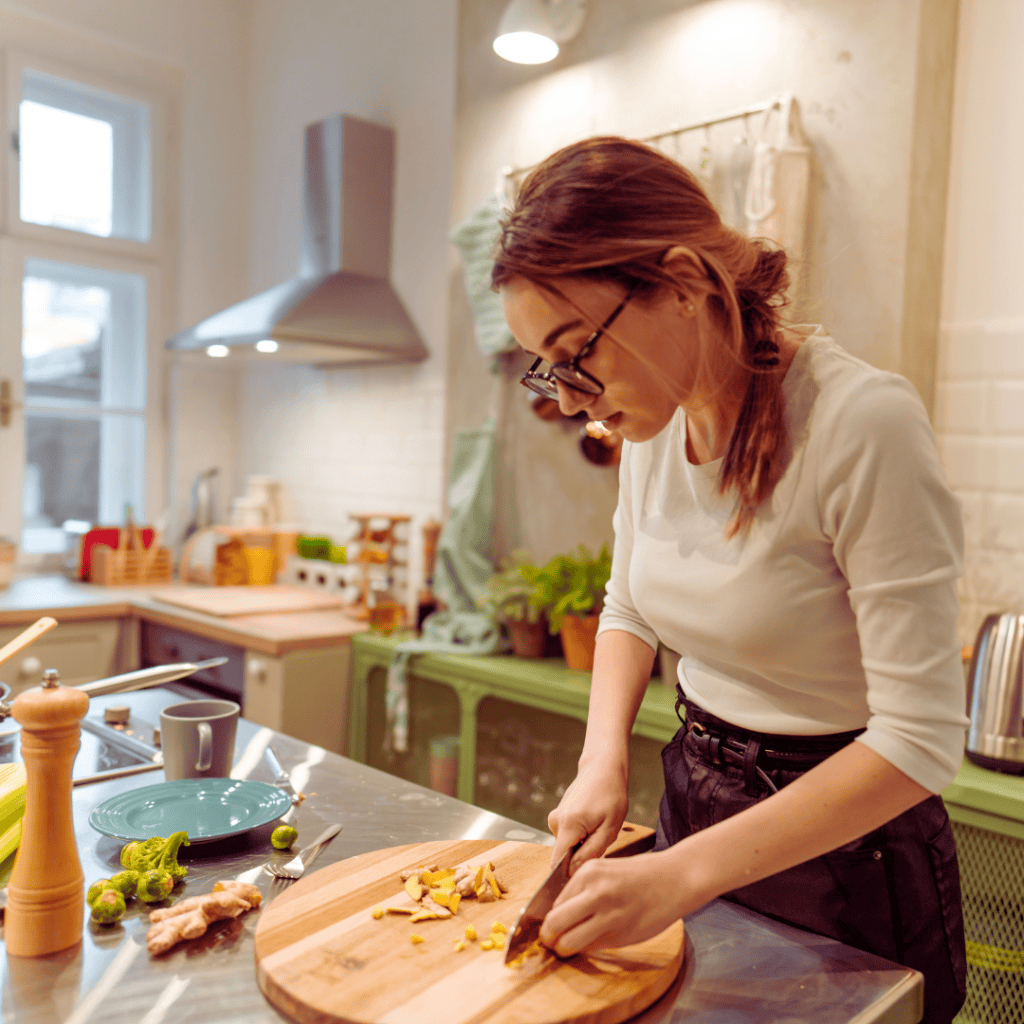
Meal prepping can transform lunchtime from a hasty scramble into a time for nourishment and enjoyment. Planning healthy lunches for the week not only saves time but also ensures access to nutritious options that align with personal health goals. By setting aside a few hours each weekend, anyone can curate a selection of balanced meals that cater to different tastes and dietary needs.
To get started, choosing the right containers and ingredients is crucial. They should be versatile and simple to prepare, allowing for creativity while minimizing kitchen stress. A well-thought-out grocery list helps streamline the shopping process and guarantees all necessary items are on hand for the week ahead.
The benefits of meal prepping extend beyond just convenience; it promotes mindful eating and can lead to healthier choices throughout the week. As one gains confidence in this routine, they may find themselves not only saving money but also enjoying their meals more than ever before.
Essential Strategies for Healthy Meal Prep
Effective meal prepping involves thoughtful planning, efficient cooking techniques, and the right tools. By emphasizing these strategies, anyone can streamline the process and maintain healthy eating habits.
Planning a Balanced Meal Prep Schedule
To create a successful meal prep routine, start by designing a weekly meal plan. This plan should include a variety of proteins, grains, and vegetables to ensure nutritional balance. For instance, a week’s menu might include grilled chicken, quinoa, and roasted broccoli.
Setting aside specific days for meal prepping is crucial. Many find success by dedicating a few hours on Sundays to prepare meals for the week. This ensures that the meals are ready to grab on busy weekdays.
Additionally, planning portion sizes in advance helps manage calorie intake and prevents waste. Using a simple chart to outline meals and their ingredients can enhance this process.
Saving Time with Batch Cooking and Organization
Batch cooking is an efficient method that minimizes time spent in the kitchen. Cooking large quantities of grains, proteins, and vegetables at once saves time. For example, roasting multiple trays of vegetables simultaneously can yield meals for several days.
Organizing the cooking process is just as important. Group similar tasks together, like chopping all vegetables before cooking. This approach reduces the time spent switching between tasks.
Use storage bags and containers to separate cooked items. Labeling these containers with dates and contents improves organization and reduces the chance of spoilage.
Choosing the Right Meal Prep Tools and Containers
Selecting effective meal prep tools simplifies the cooking experience. Essential items include sharp knives, cutting boards, and large pots for batch cooking. Investing in quality knives makes meal preparation more efficient.
Selecting the right containers is equally important. Opt for glass or BPA-free plastic containers that are microwave- and dishwasher-safe. Look for different sizes to accommodate various meal portions.
Storage bags can also be useful for freezing portions, making it easy to grab a healthy option on busy days. Use clear, labeled bags to save time when searching for specific meals.
By implementing structured planning, efficient batch cooking, and quality tools, anyone can master the art of healthy meal prep.
Building Nutritious and Delicious Lunches
Creating nutritious lunches requires a balance of essential components to foster health and satisfaction. By thoughtfully including proteins, whole grains, healthy fats, fruits, and vegetables, lunch can be both tasty and beneficial for well-being.
Incorporating Proteins, Whole Grains, and Healthy Fats
To form a balanced lunch, one must include protein sources such as chicken, tofu, lentils, or beans. Protein supports muscle health and keeps one feeling fuller longer.
Pairing the protein with whole grains like quinoa or brown rice enriches the meal with fiber and nutrients. Whole grains help maintain steady energy levels throughout the day.
Incorporating healthy fats from nuts, seeds, or avocado enhances flavor and promotes heart health. These fats are essential for nutrient absorption and can elevate the taste of various dishes.
Maximizing Fruits and Vegetables for Flavor and Fiber
Fruits and vegetables are vital for a nutritious lunch. They add vibrant colors and unique flavors. Incorporating a variety ensures a range of vitamins and minerals.
Fiber-rich options such as leafy greens, carrots, and bell peppers improve digestive health. For fruits, berries, and citrus fruits provide antioxidants and essential nutrients while offering a natural sweetness.
Utilizing spices and herbs can amplify taste without added calories. This enhances the overall appeal of the lunch without compromising nutritional value.
Managing Sodium and Supporting Heart Health
When meal prepping, it’s critical to manage sodium intake. Many pre-packaged foods are high in sodium, which can adversely affect heart health.
Choosing fresh ingredients and preparing dressings or marinades at home allows for better control over sodium levels. Utilizing herbs and spices as flavor enhancers can minimize the need for salt.
Incorporating heart-healthy options such as olive oil and fatty fish can further support cardiovascular health. This mindset fosters a nutritious approach to meal prep that aligns with dietary needs.
Meal Prep Ideas and Easy Recipes for the Week
Meal prepping allows for convenient, nutritious lunches throughout the week. These ideas and recipes focus on time-saving techniques and delicious options that cater to various dietary preferences.
Time-Saving Lunch Recipes and Batch Cooking Inspiration
Batch cooking is an efficient strategy for meal prep. Preparing large quantities of versatile dishes means less time spent cooking during the week.
Examples include:
- Burrito Bowls: Prepare a base with brown rice or quinoa. Add grilled chicken, black beans, corn, and diced avocados. Top with salsa for flavor.
- Overnight Oats: Mix oats with yogurt or plant-based milk. Include toppings like fruits, nuts, or honey. Prepare jars for a quick breakfast or lunch option.
- Egg Muffins: Whisk eggs and add chopped vegetables, cheese, or cooked sausage. Pour the mixture into a muffin tin and bake for easy, protein-packed meals.
Using sheet pans is another strategy. Roasting various vegetables and proteins together simplifies cleanup and maximizes flavor.
Make-Ahead Lunches Featuring Protein and Plant-Based Options
Incorporating protein is vital for balanced meals. They keep energy levels steady and help with satiety.
Protein-rich meal ideas:
- Tofu Stir-Fry: Sauté tofu with a mix of favorite vegetables such as bell peppers and broccoli. Serve over brown rice or whole grain noodles.
- Chickpea Salad: Combine chickpeas, diced cucumbers, tomatoes, and feta cheese. Dress with olive oil and lemon juice for a refreshing dish.
- Pasta Dishes: Cook whole wheat or lentil pasta. Mix with marinara or pesto and add grilled chicken or sautéed vegetables. Portion into containers for easy reheating.
These meals can be stored in the fridge for up to four days and offer a balanced mix of nutrients.
Creative Uses for Grains, Dairy, and Vegetables
Utilizing grains, dairy, and vegetables opens up a variety of meal possibilities.
Ideas for incorporating these components:
- Couscous or Bulgur Bowls: Prepare couscous or bulgur and mix with roasted veggies, herbs, and a protein source.
- Stuffed Peppers: Fill bell peppers with quinoa, beans, and cheese. Bake until tender for a flavorful, filling option.
- Yogurt Parfaits: Layer yogurt, granola, and fruits for a nutritious lunch. These can be customized with various toppings for diversity.
Finding creative ways to mix these ingredients ensures meals remain exciting and nutritious throughout the week.
Storing and Maintaining Freshness
Storing meal preps correctly is essential for retaining nutritional value and minimizing waste. An effective organization can enhance efficiency in meal preparation.
Proper Storage Techniques to Preserve Nutrition
Utilizing meal prep containers with tight seals is crucial for keeping meals fresh. Glass containers are preferred as they are non-reactive and can withstand temperature changes. When storing, it is best to cool meals to room temperature before sealing to prevent condensation inside the containers.
Storage bags can also be useful for items like sliced fruits or portioned snacks. Olive oil can be drizzled on salads or veggies before sealing for added flavor and to extend shelf life. Labeling containers with dates helps track freshness and ensures nothing goes unused.
To retain ingredients’ nutrient profiles, avoid exposing food to light and moisture. Keeping items in a dark, cool place or the refrigerator is key. Group items by type to streamline access and maintain freshness.
Minimizing Food Waste and Staying Organized
Managing portion sizes is important to avoid excessive leftovers. Pre-measuring servings helps control intake and keeps meals consistent. Employing a food processor can aid in quickly prepping ingredients, allowing meals to be made in batches efficiently.
Using a color-coded system for different containers can also foster organization. Designate colors for various meal types, making identification easier. Additionally, keep a meal prep schedule. This can allocate specific days for certain dishes, ensuring nothing is forgotten.
Regularly check for freshness and adjust shopping lists accordingly. By efficiently using ingredients before they spoil, you can significantly cut down on food waste.